
It’s been a little quiet around The Scientific Pianist, but I’m back!
Over the past year, I became a mom for the second time, and life with two little ones has been beautifully chaotic. Between work, family life, and everything else that comes with raising young children, finding time to sit down and practice piano has felt like a luxury reserved for another lifetime.
Maybe you can relate.
There was a time in my life, not so long ago, when I played nearly every day. I spent hours working through difficult passages, developing technique, and exploring the artistry of a piece. I’d play the same phrase over and over, experimenting with dynamics, phrasing, and expression until it sounded just right. I had the time to get lost in the music, to challenge myself, and, most importantly, to enjoy the process.
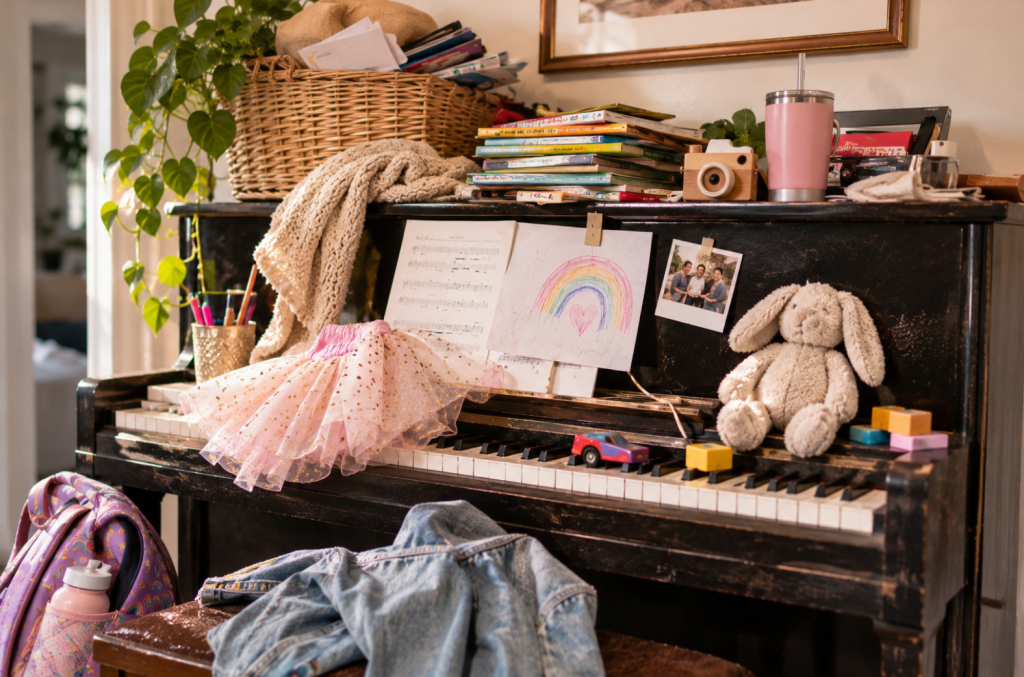
These days, I mostly gaze longingly at my piano from across the room. On the rare occasion I sit down to play, both children instantly develop an urgent interest in music and insist on joining me, happily banging the keys at maximum volume with their little fingers. I let them, of course.
I tell myself I’ll play once they’re asleep, but by then, the only thing I’m capable of performing is a dramatic collapse onto my bed.
But lately, I’ve realized that it’s not just about finding the time. Sometimes, even when I do have a free moment, I don’t particularly feel like practicing. The thought of warming up, working through difficult passages, and discovering just how rusty I’ve become isn’t always appealing….which is ironic, considering how much I miss playing.
And I wonder how many other musicians feel the same way.
When you’ve spent years developing a skill, there’s a certain anxiety that comes with stepping away from it. You remember what your fingers were once capable of, how effortlessly you could move through passages that now require serious concentration. You remember the satisfaction of finally mastering something that took weeks or months to learn.
And then you look at your piano and wonder: How much of that have I lost?
Will I ever have the time to learn challenging repertoire again? Will my technique return if I start practicing consistently? Will I have the same drive to practice that I once did?
Interestingly, these questions have also made me curious about something I’ve never explored in much depth: what actually happens to our musical skills when we stop practicing?
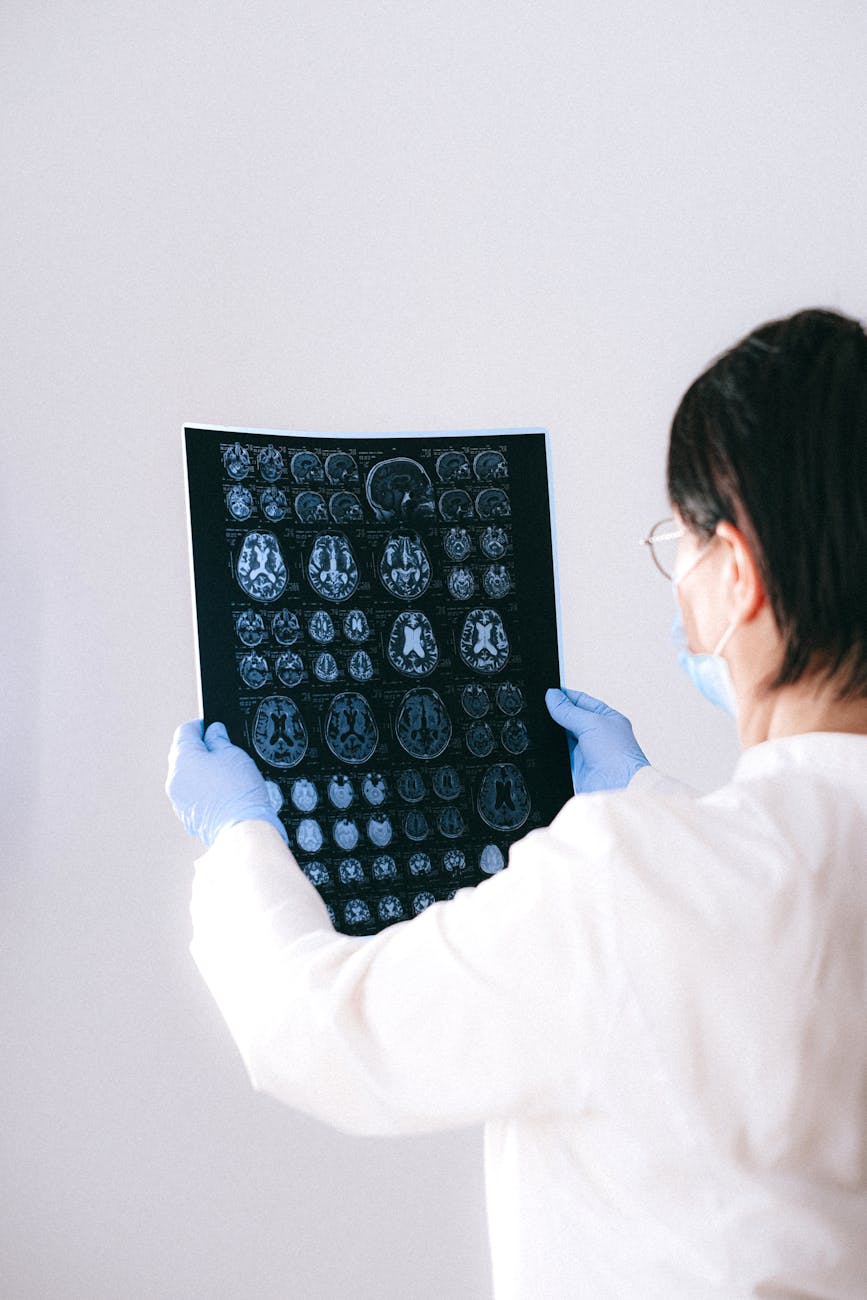
How does the brain retain complex motor skills after months or even years away from an instrument? Why do some pieces seem to remain in our fingers while others feel almost completely unfamiliar? Is the brain holding on to more than we realize?
These are exactly the kinds of questions I’m excited to explore here.
I’ve also been teaching my five-year-old piano, which has introduced an entirely different set of questions about musical learning and motivation. After years of teaching other people’s children, I’ve discovered that teaching my own is a very humbling experience.
So while I haven’t had nearly as much time to play or write over the past year, my fascination with music and the brain hasn’t gone anywhere. If anything, this incredible stage of life has given me a whole new perspective on the questions worth asking.
I don’t know when I’ll have the time or energy to practice the way I used to. Maybe that version of my daily routine won’t return for quite a while.
For now, I’m looking forward to exploring the science, sharing what I learn, and hopefully finding a little more time to play along the way.
Have you ever taken a long break from piano? Did you find it difficult to start again, or were you surprised by how much you remembered?
I’d love to hear your experiences.
Thanks for reading.




Leave a Reply