
In a Facebook group for pianists, one person sent me a message describing that they played piano for 15 years before a TBI (Traumatic Brian Injury). They were forced to essentially re-learn how to perform many tasks, including playing the piano. They noticed that when they began re-connecting the musical pathways, their speech improved, processing speed improved, and more. Thank you to this person for sharing their story. I was instantly intrigued.
How can this be so? How does playing the piano heal/strengthen other areas of the brain?
First, I want to briefly talk about TBI for those that may be unfamiliar. TBI, a form of acquired brain injury, occurs when a sudden trauma causes damage to the brain. It can result from a variety of incidents, including falls, vehicle collisions, sports injuries, and acts of violence. The consequences of TBI can range from mild, presenting symptoms like temporary confusion and headaches (often referred to as concussions), to severe, which can lead to prolonged periods of unconsciousness, amnesia, and even permanent cognitive, physical, and behavioral impairments.
It is safe to say that a TBI represents a significant challenge, altering the rhythm of daily life for those who suffer from it. For many, it disrupts the brain’s ability to process information, control emotions, and interact socially. The orbitofrontal cortex (OFC), which is often implicated in TBIs due to its location and role in decision-making, emotion, and social behavior, can significantly influence an individual’s ability to reintegrate into daily life post-injury.
Effective rehabilitation strategies are critically important for TBIs. And, interestingly, music-supported therapy (MST) is starting to get some spotlight in this area.
The 2019 study, “Neuroplastic Effects in Patients With Traumatic Brain Injury After Music-Supported Therapy,” explores the rehabilitative power of music-supported therapy on individuals recovering from mild traumatic brain injuries (mTBIs). This research offers so much hope. It suggests a path to not just recovery but also to rediscovery of oneself and one’s capabilities through the universal language of music.
The study we are talking about today is by Berit Marie Dykesteen Vik, Geir Olve Skeie, and Karsten Specht. It explores the transformative power of piano playing on fostering neuroplastic changes within the OFC – again, a brain region critical for cognitive functions and emotional regulation.
This project studied a cohort of 20 individuals across three groups:
- 7 volunteers with mTBI who were engaged in musical training
- 1 control group engaged in music training
- 1 control group without music training
Over eight weeks, the mTBI group participated in piano sessions twice a week, supplemented by daily practices at home.
The results?
Participants with mTBI, who re-engaged with music through structured piano training, exhibited remarkable enhancements in cognitive functions. And this wasn’t a subtle change. Neuropsychological assessments revealed noticeable improvements in processing speed, attention, and memory capabilities—core components of cognitive functioning that are often disrupted by brain injuries.
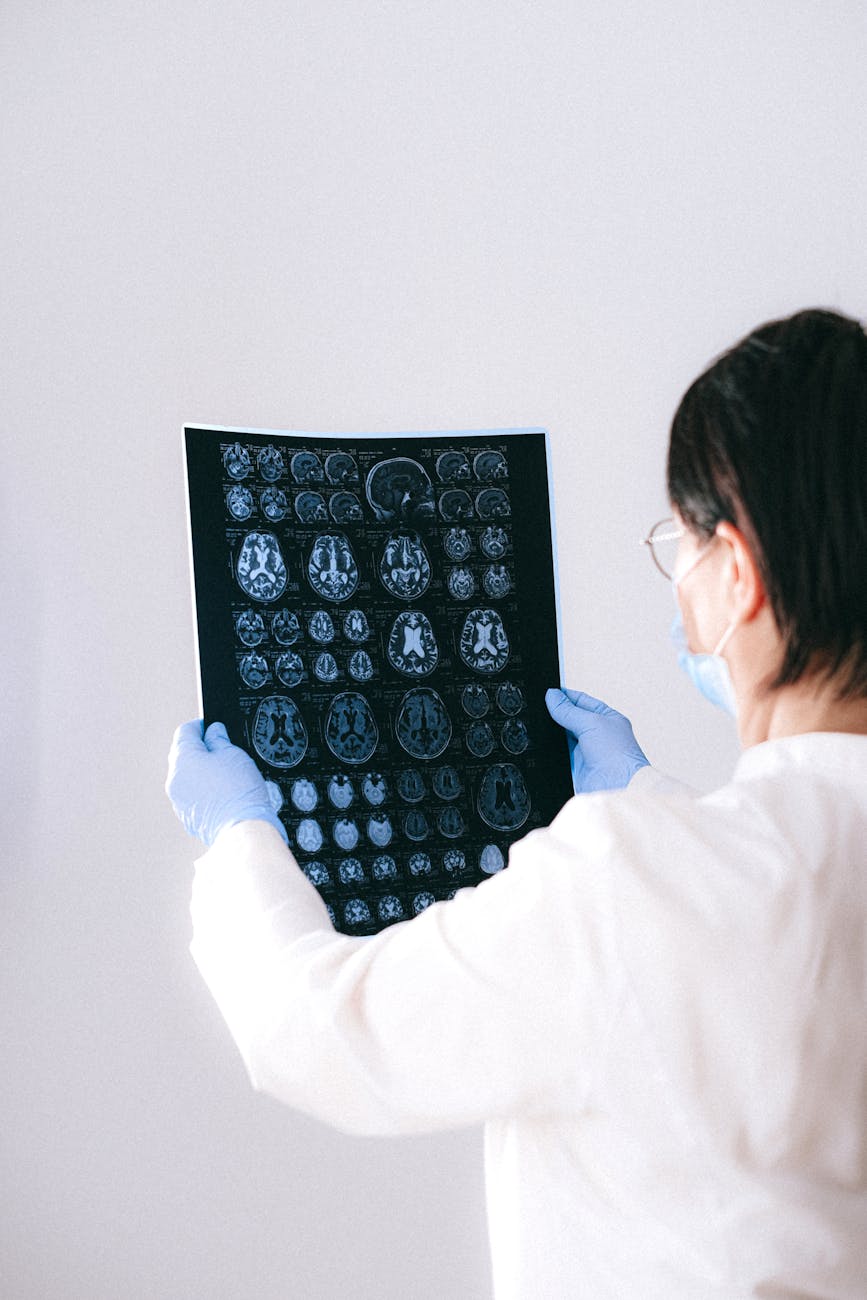
Within the OFC networks specifically, functional MRI scans before and after the intervention showed enhanced connectivity.
The healing journey also led to significant strides in daily life and social integration for the mTBI group. Six out of seven participants reported not just improvements in their musical abilities but also in their overall quality of life. Many were able to return to work or pursue their studies with renewed energy.
So how does this happen?
The act of learning piano demands a remarkably high level of coordination across the brain’s networks. It requires attention, memory, reading music, executing precise motor actions, processing auditory feedback, and more. This lights up the complex networks of the brain involved in sensory, motor, and cognitive function. It engages the brain holistically, activating an extensive array of regions – particularly those impacted by traumatic injuries – and helps them become more resilient. Playing the piano is involved in:
- Interhemispheric communication: The necessity for both hands to coordinate amplifies communication across the brain’s hemispheres, strengthening the corpus callosum (which essentially serves as a conduit allowing information to transmit from one side of the brain to the other) and enhancing overall cognitive responsiveness.
- Multisensory integration: Piano’s demand for simultaneous processing of varied sensory inputs (2 hands playing, foot pressing down, attention on the music, auditory feedback, etc.) creates a robust multisensory integration, essential for cognitive flexibility and rapid information processing.
- Emotional engagement and dopamine release: The emotional depth of music, coupled with the rewarding experience of mastery, stimulates the brain’s reward system, potentially increasing dopamine release and fostering a positive reinforcement cycle that motivates continued engagement and learning (and likely helps boost feelings of well-being that trickle/improve other areas of life).
- Attention and memory workouts: The focused attention and memory engagement required in piano playing are like a cognitive workout. The benefits here extend beyond the realm of music into daily life activities.
The findings from this study are powerful. They show not only a path to rediscovery for those affected by mTBI but also highlight music as a powerful catalyst for neuroplasticity and healing.
Here are some questions I have about the future of neurorehabilitation and the role of music within it:
- How can music-supported therapy aid in the recovery of more complex and severe forms of TBI?
- In what ways can interdisciplinary collaborations between neuroscientists, music therapists, and clinicians innovate more effective rehabilitation strategies?
- What are some of the other artistic therapeutic options available to individuals recovering from neurological injuries?
Thanks for reading!
Source: Vik BMD, Skeie GO, Specht K. Neuroplastic Effects in Patients With Traumatic Brain Injury After Music-Supported Therapy. Front Hum Neurosci. 2019 Jun 25;13:177. doi: 10.3389/fnhum.2019.00177. PMID: 31293405; PMCID: PMC6604902.



 The Scientific Pianist
Leave a comment