
Recent research led by a team from the Nencki Institute of Experimental Biology and The Chopin University of Music in Warsaw, Poland, shines a new light on the profound impact that learning the piano has on the developing brain, offering valuable insights for parents, piano teachers, and pianists alike. A study conducted over six months with novice piano players revealed fascinating changes in brain activity over this relatively short time period, highlighting the dynamic nature of neuroplasticity—the brain’s ability to reorganize itself by forming new neural connections.
What Does Piano Training Do to the Brain?
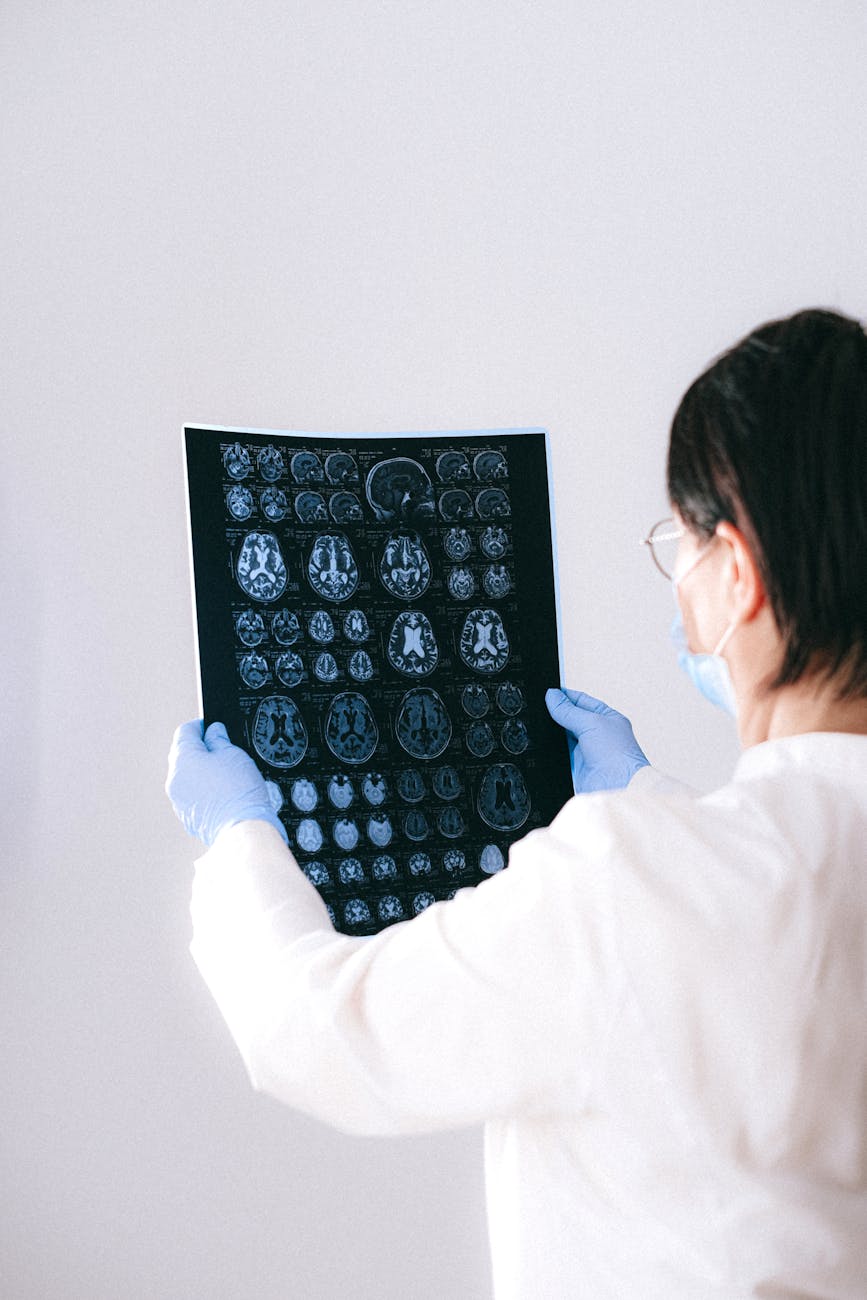
The study focused on 24 young women, beginners in the world of music, to explore how their brains transformed over the first six months of piano training. Utilizing functional MRI scans, the researchers tracked the brain’s activity as these novices played increasingly complex musical pieces. The researchers learned that as beginners learn to play the piano, their brain activity undergoes significant transformations. Initially, areas responsible for motor skills and auditory processing are highly active, reflecting the learners’ efforts to coordinate movements and sounds. Over time, however, these areas become more efficient, showing decreased activation. This efficiency is a hallmark of the brain’s fine-tuning of its functions to make piano playing more streamlined.
Interestingly, the study found that changes in brain activation are specific to certain areas and timelines. For example, regions involved in movement and planning start to adapt from the very beginning of piano training, while the hippocampus, key for memory, responds more noticeably after six weeks. This indicates that learning to play the piano not only involves motor and auditory skills but also engages and enhances memory and cognitive control functions.
This research parallels the findings from Dr. Pilar Dies-Suarez’s study in Mexico City, which observed enhanced neural connections in children after music training. Both studies highlight music’s capacity to strengthen the brain’s architecture.
Implications for Parents, Teachers, and Pianists
For parents and piano teachers, these findings highlight the importance of consistent practice and patience. The brain’s adaptation to piano training is a gradual process, with different areas developing at their own pace. Encouraging regular practice and celebrating incremental progress can support this neuroplastic change.
Pianists, whether beginners or more experienced, can appreciate that every practice session is not just improving their musical skills but also optimizing their brain’s function. This knowledge can be a powerful motivator, emphasizing that challenges and difficulties are part of a process leading to greater efficiency and skill.
The implications of these findings are also important for therapeutic contexts. For children, including those with developmental challenges such as autism and ADHD, engaging with music could be a key to unlocking potentials in cognitive development and emotional regulation. Music, with its rich, multi-sensory experience, demands coordination, attention, and emotional engagement – a real ‘workout’ for the brain.
A New Perspective on Piano Training
In summary, this study sheds light on the sophisticated pattern of brain reorganization that accompanies the learning of a musical instrument like the piano. It supports the “expansion-renormalization” model of neuroplasticity, where initial learning expands the brain’s activity to accommodate new skills, followed by a phase of optimization and efficiency. This process illustrates how piano training can be a powerful tool for cognitive development, beyond just acquiring musical ability.
Source: Olszewska AM, Gaca M, Droździel D, Widlarz A, Herman AM, Marchewka A. Understanding functional brain reorganization for naturalistic piano playing in novice pianists. J Neurosci Res. 2024 Feb;102(2):e25312. doi: 10.1002/jnr.25312. PMID: 38400578.



 The Scientific Pianist
Leave a comment