
Imagine if playing the piano, guitar, or even banging on drums could do more than just create beautiful sounds. What if it could also light up a child’s brain in ways that help them grow smarter, more attentive, and even more joyful? Recent findings are tuning us into a fascinating discovery: learning music does wonders for kids’ brains.
A group of scientists, led by Dr. Pilar Dies-Suarez in Mexico City, studied 23 kids, aged five to six, who hadn’t played with musical instruments or had any arts training before. They were curious to see what happens inside these young brains when they start learning music.
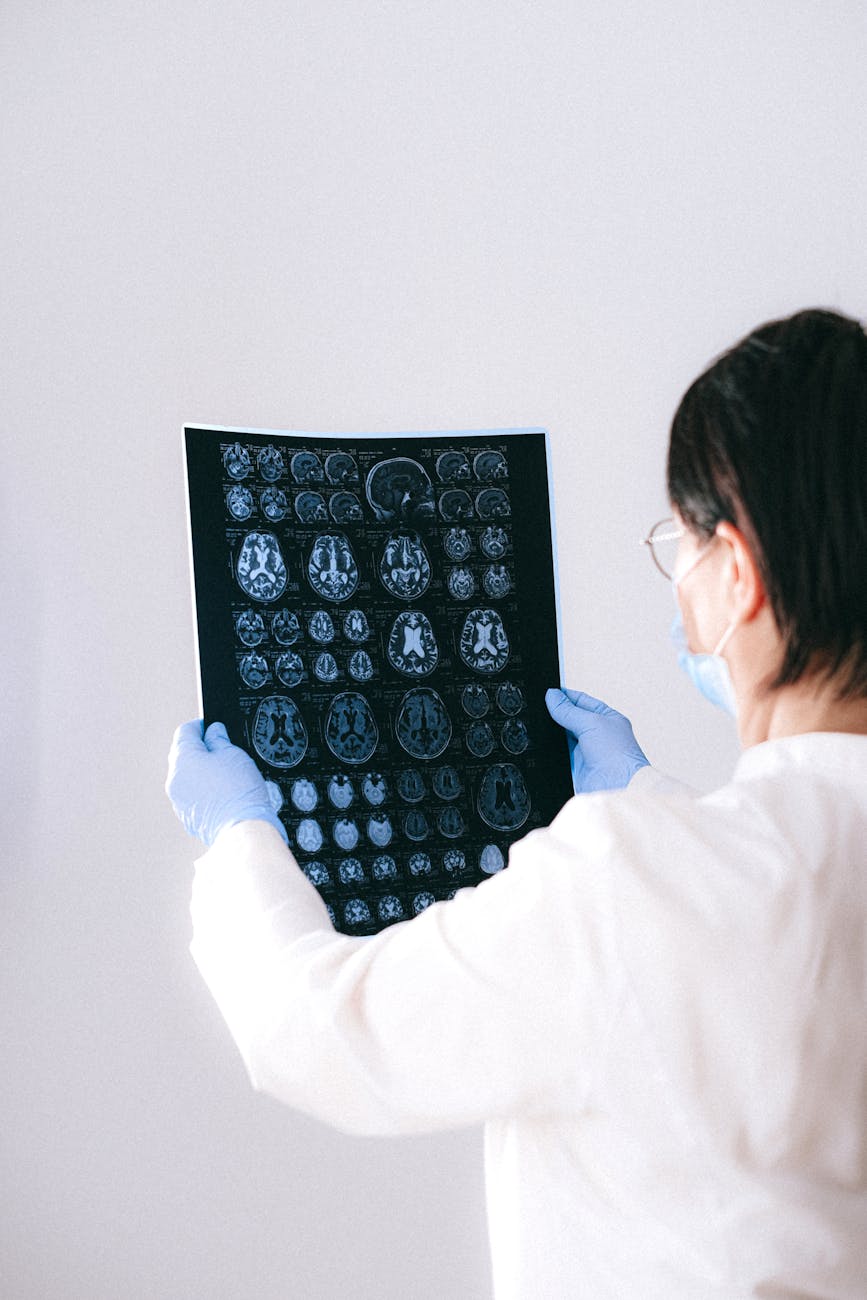
The scientists used diffusion tensor imaging (DTI), a brain scan which is like a more advanced version of an MRI. This scan doesn’t just show what the brain looks like; it shows how parts of the brain communicate with each other through super-fast messages sent along nerve fibers – think of them as the brain’s internet cables.
Before the kids started their musical journey, the scientists took initial scans of their brains. Then, the children began learning music using something called Boomwhackers. These are colorful tubes that make different sounds when you whack them, and they’re a blast to play with. After nine months of creating music, the children’s brains were scanned again.
The before-and-after pictures were astonishing. After learning music, the children’s brain scans showed stronger and more numerous connections in areas related to attention, understanding, and managing emotions. It’s as if the music training was a workout for their brains, making those neural connections faster and more robust.
This is especially exciting because the areas of the brain that got stronger from music lessons are the same ones that can be a bit slower to develop in kids with autism and ADHD. This means that jamming on musical instruments might be a fun and effective way to help these children do better in school and feel better in life.
Dr. Dies-Suarez and her team believe that when kids engage in music, they’re not just having fun; they’re also working out their brains in a way that improves how they think, feel, and interact with others. The act of playing music requires the brain to process sounds, control movements, tap into emotions, and even work on social skills when playing with others.
The magic of music doesn’t stop with kids. This discovery opens up new melodies for how we think about education and therapy, suggesting that music classes could be a key to unlocking potential in all young minds.
So, the next time you see a child picking up an instrument, remember: they’re not just playing; they’re also giving their brain a major boost! Who knew that making music could be such a powerful tool for growth, learning, and happiness? Let’s keep the music playing and watch as our children’s brains dance to the beat of learning and development.
Source: “Musical training creates new brain connections in children”, Pilar Dies-Suarez, M.D, Silvia Hidalgo-Tobon, Ph.D., Benito De Celis Alonso, Ph.D., Coral Guerrero, and Eduardo Castro Sierra, M.D., Meeting RSNA 2016 – 102nd Scientific Assembly and Annual Meeting



 The Scientific Pianist
Leave a comment