
Many students with ADHD possess remarkable qualities. However, navigating their educational journey, particularly in piano learning, presents unique challenges. Recognizing and adapting teaching strategies to accommodate these differences is crucial for fostering an effective learning environment.
Disclaimer: I’m not a medical professional. This information is for educational purposes and not a replacement for professional medical advice.
Understanding ADD vs. ADHD: The terms ADD and ADHD are often used interchangeably, but it’s important to note that ADHD (Attention Deficit Hyperactivity Disorder) is the contemporary term that encompasses attention disorders, with or without hyperactivity. ADD is an outdated term that referred to what is now considered ADHD without prominent hyperactivity symptoms.
ADHD is a prevalent diagnosis, affecting approximately 6 million children aged 3-17 in the U.S., according to 2016-2019 data (source: https://www.cdc.gov/ncbddd/adhd/data.html). Boys are diagnosed more frequently than girls. It’s a spectrum disorder, meaning symptoms vary widely in severity and manifestation.
Children’s curiosity and energy are natural, but ADHD’s impact on focus and hyperactivity goes beyond typical child behavior. Diagnosis and understanding come from comprehensive evaluations by healthcare professionals.
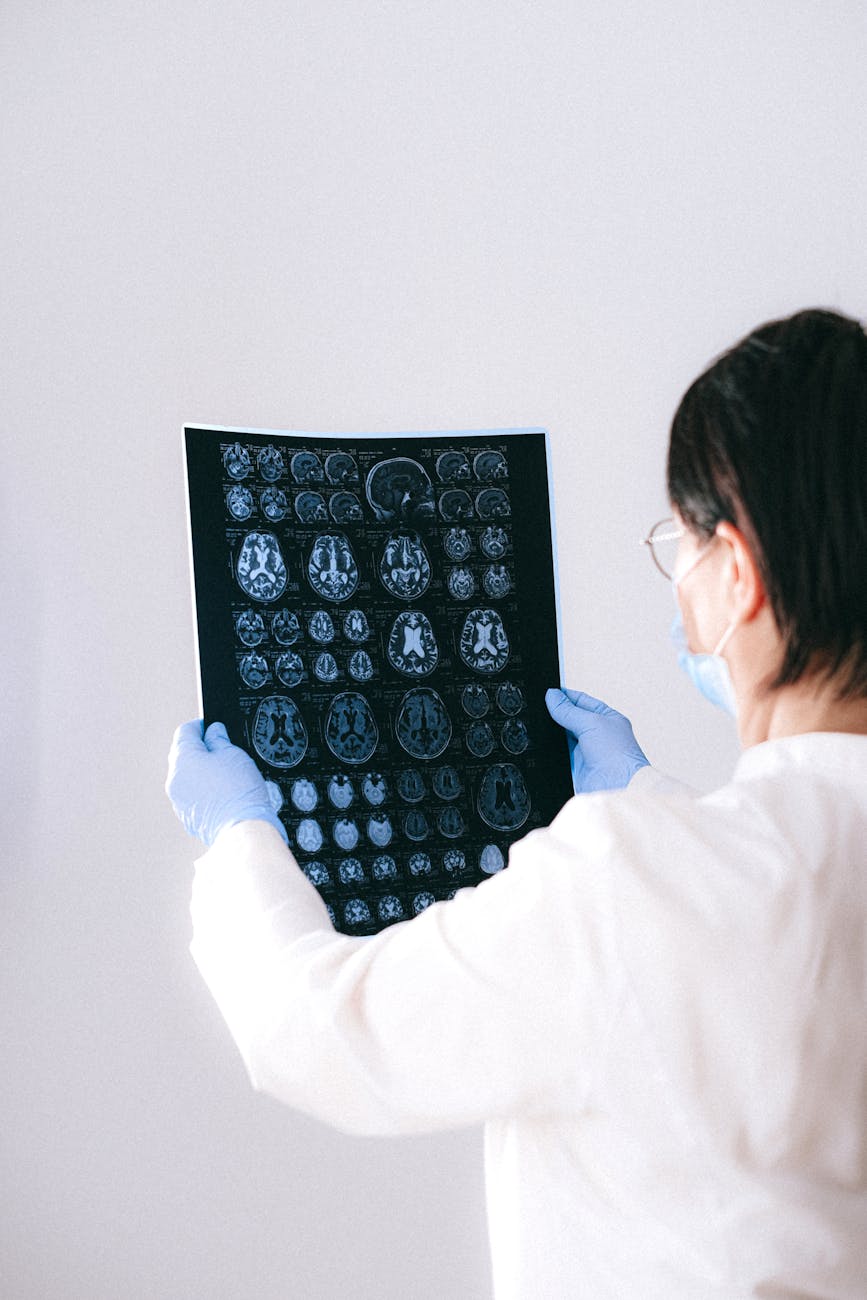
The Neuroscience of ADHD: ADHD involves distinct neurobiological differences, including variations in neurotransmitter levels (like dopamine and norepinephrine) and brain structure (frontal cortex, basal ganglia) which influence behavior, learning, and motor skills. These insights underscore the need for specialized teaching strategies.
The Potential in Music: Children with ADHD often exhibit high creativity and passion, making music an excellent outlet. While ADHD may complicate piano learning through distractions and focus challenges, tailored teaching methods can leverage music to enhance fine motor skills, memory, attention span, and self-confidence.
Teaching Piano to ADHD Students: Understanding ADHD’s neurological basis helps in developing effective teaching strategies. Our brains, interconnected by neurons and neurotransmitters, facilitate learning and focus. ADHD can disrupt these processes, necessitating adaptive teaching approaches.
Challenges and Strategies: ADHD students might struggle with new or repetitive tasks, leading to disengagement or inconsistency. Recognizing these challenges without jumping to conclusions is vital—each student’s experience is unique.
To support ADHD students, it’s crucial to embrace their strengths while subtly adjusting teaching methods. This doesn’t require a complete overhaul but rather small, thoughtful changes to enhance focus and learning for all students.
How we can help students with ADHD learn piano?
First and foremost, as a teacher, it’s important to have a basic understanding of the nature of ADHD and other learning disabilities in order for your teaching styles of be effective without becoming frustrated, agitated, or overwhelmed by their inability to follow through on tasks. And perhaps more importantly, don’t allow yourself to overlook the strengths that can often come with an ADHD diagnosis. For example, research shows that ADHD students are often highly intelligent, creative, intuitive, and often highly empathetic.
Know that you don’t have to make massive changes to the way that you teach – you can make small adjustments to your piano teaching methods that will help your students focus and absorb more.
Also, know that these strategies could really be useful for all types of students, not just those with ADHD.
- Measure home piano practice by ability rather than minutes (ie. Can they play the first line hands together? etc.)
- Helps to promote a feeling of accomplishment
- Likely to keep their attention the whole time
- If consistent, can be very effective approach to practicing – they’ll get practicing in without feeling like a failure that they didn’t accomplish the entire 30 minutes.
- Click here to see some good tips for setting up a successful home piano practice environment) by minutes, but rather by ability
2. Use completion charts
- Similar to a chore chart, completion charts helps keep the focus during the lesson. You can make your own chart for the lesson, where you list out the goals. For example, first task is to play scales, then chords, then review theory worksheet, then play 1 page of performance song, play 1 minute of flash cards. After each task is complete, you can give a sticker, a checkmark, or there are even some cool white board task charts on amazon for like $10 that have a plastic piece that toggles from left to right.
3. Say their name often and ask them conceptual questions – not “yes” or “no” questions
- It draws their attention toward you
- Forces them to think and to focus on the question at hand
- Don’t ask just yes or no questions
- For example, “what does a crescendo do?” “Why do you think the composer wants to put a crescendo here?”
4. Use scales and broken chords to combat short attention span
- Scales and broken chords are a great way to keep students in engaged.
- Helps to recognize patterns
- Short, sense of accomplishments
- Variety – play in different keys, with different rhythms
5. Be aware of how your words are perceived
- Use a calm voice with a warm and gentle tone.
- Avoid using sarcasm or teasing
- Avoid using a rushed tone
6. Limit distractions during lesson time
- Turn off TV, your phone, notifications that may pop up on your computer especially if you’re teaching online, and consider rescheduling a lesson if there is a lot of background noise like construction going on in your area
7. Use lots of visuals
- Draws in focus
- Visual cues tend to help students understand what is being taught without being overwhelming or confusing.
- Visualization help solidify information into long-term memory better than just reading words off paper does.
- Consider incorporating a white board, worksheets, or diagrams into your lessons. There are a ton of really great ones on teacherspayteachers.com
8. Check in on your student
- 1-2 quick messages a week. Try to ask specific questions in these messages like : “After practicing the A scale for 4 days, does it feel any easier?” “Are you able to play the forth line without looking at your music?” Lets the student know that you are on top of their practice, even if they aren’t and that you are expecting progress and completion of the lesson goals.
- If they know that you’ll be checking in on them, it holds them accountable and makes them more likely to complete the assignment.
- Key here is to check in randomly, to give them an opportunity to ask a question or two if they have it, and to keep these “check-in” sessions short, positive, and helpful so they don’t start to dread them.
9. Exercise break like quick jumping jacks or hand shakes
- Shifts focus away from the piano for a few seconds
- Calming effect – releases nervous energy
10. Give small, achievable goals
- The feeling of accomplishment is so motivating.
- Giving short, very achievable goals can help ADHD students who might have perfectionist tendencies and who get overwhelmed or discouraged when they have to achieve a much larger goals.
- Ask them to work on a smaller practice goals, but to do it the very best that they can.
- Set small and realistic goals that allow your students to experience success frequently.
11. Keep a sticky note of “free thoughts” that you discuss at the end of the lesson for a couple minutes
- Free thoughts are wandering thoughts, comments, or questions that are irrelevant to music. Keep a notepad or sticky note on the side where, if these things come up, you can quickly jot them down and get to them later.
- You may find that most students forget about it by the end of the lesson.
- Helps to keep the student focused on the lesson material
- Doesn’t waste precious lesson time.
- Rather than dismissing the topics they want to talk about, you’re showing that you do want to talk about them but at the end of the lesson when the work is done.
12. Repeat the information frequently
- One of the most effective teaching strategies ever
- Repeat information in a way that isn’t annoying
- Helps to emphasize important topics
- From a neuronal level, it helps strengthen the neural connections made when that information is processed.
- Helps with retaining information – excellent for memory
13. Use a non-verbal cue to get the students’ attention
- Works especially well with younger kids, between 5-8.
- Clap your hands in a certain pattern where they have to repeat the clapping if they hear it, which usually draws their attention towards you
- Have a small flashlight that you put near your temple that draws them in and encourages them to look at you when you’re talking
- Have a little “jingle” that you play on the side of the piano that you’re closest to which means it’s time to focus and get playing
- Have an actual little bell that you ding when it’s time to focus on something
- Your own voice can start to sound like background noise
14. Set up a program that rewards good behavior
- Again, this works really well in motivating students to practice. You can have a reward system that’s cooler than just giving stickers after a song is completed. For example, in the past I have done “piano bucks” which are basically just “piano dollars” or fake money printed on index cards. Students can earn a maximum of 3 piano bucks per lesson. One for practicing every day, one for excellent focus during the lesson, and one for going above and beyond on their homework. Piano Bucks can be collected for prizes. For example, I think for 5 you could get a piano pencil, 10 piano bucks you could pick a keychain, for 20, a waterbottle, for 50 a T-shirt, etc. You don’t have to incorporate material prizes if you don’t want to – you can make 5 piano bucks equal an extra short game during the lesson, or have 10 piano bucks equal to a free homework pass or something along those line.
15. Be imaginative and more fun –
Include game-show style games, flashcards, or “role-play” performances to make the event more fun and interesting for the child. We’ll have an entire blog on science-backed methods for learning that are fun, game-style and great for online learners. So stay tuned for that. But for now, know that incorporating these into your lesson don’t have to take a lot of time, may a little effort, but the payoff is great, especially if they are still educational. You build a stronger relationship with the student, provide variety, and make learning piano feel like less of a chore which actually motivates them more.
The key take away from this post is that ADHD is a real neurological condition, it’s not something that is a choice, it’s not just kids that are a “little bit hyper”. Teaching piano to children with attention deficits transforms a traditional music lesson into a unique and dynamic learning experience. It demands a blend of creativity, patience, and a deep understanding of each student’s individual needs. Understanding this can help you grow professionally as a teacher. If you have additional questions about ADHD as a condition, or you think you or a student may have it, I encourage you to speak with a physician or your qualified healthcare professional for more information.
If you are interested in additional resources, I recommend researching Dr. Robert Cutietta. He is a Professor of Music Education and Clinical Psychology at the University of South Carolina. He has also been a practicing clinical psychologist for over twenty years. His research interests include ADHD and learning disabilities, as well as musical development in children with disabilities. He has published four books on these topics including “Music Education: A Guide to Teaching Special Needs Children” which is available free online through Google Books.
Please feel free to leave a comment below – what do you do in your studio to help neurodiverse students?
Sources:
del Campo, N., Chamberlain, S. R., Sahakian, B. J., & Robbins, T. W. (2011). The Roles of Dopamine and Noradrenaline in the Pathophysiology and Treatment of Attention-Deficit/Hyperactivity Disorder. Biological Psychiatry, 69(12), e145–e157. https://doi.org/10.1016/j.biopsych.2011.02.036
Gehricke, J. G., Kruggel, F., Thampipop, T., Alejo, S. D., Tatos, E., Fallon, J., & Muftuler, L. T. (2017). The brain anatomy of attention-deficit/hyperactivity disorder in young adults – a magnetic resonance imaging study. PloS one, 12(4), e0175433. https://doi.org/10.1371/journal.pone.0175433




 The Scientific Pianist
Leave a comment