
The piano is more than just an instrument for creating beautiful music; it’s a fascinating intersection where science meets art in perfect harmony. When we look closer at piano playing, especially how we coordinate our left and right hands, we discover valuable lessons that are reshaping the way we teach and learn music. Focusing on improving the skills of the left hand, particularly for those who are naturally right-handed, brings together solid scientific research and the artful methods of teaching music in a way that breathes new life into music education.
Achieving mastery over the piano is so much more than simply striking the correct keys; it encompasses the complex coordination of both hands. They move independently yet in unison to weave together a cohesive musical piece. Research indicates that the essence of adept piano playing resides in managing this intricate balance. Seasoned pianists display exceptional independence in their hand movements, showcasing the human brain and body’s remarkable capacity to adapt to the rigors of continuous practice. This adaptation leads not only to enhanced bimanual coordination, but also to the smooth integration of hand movements.
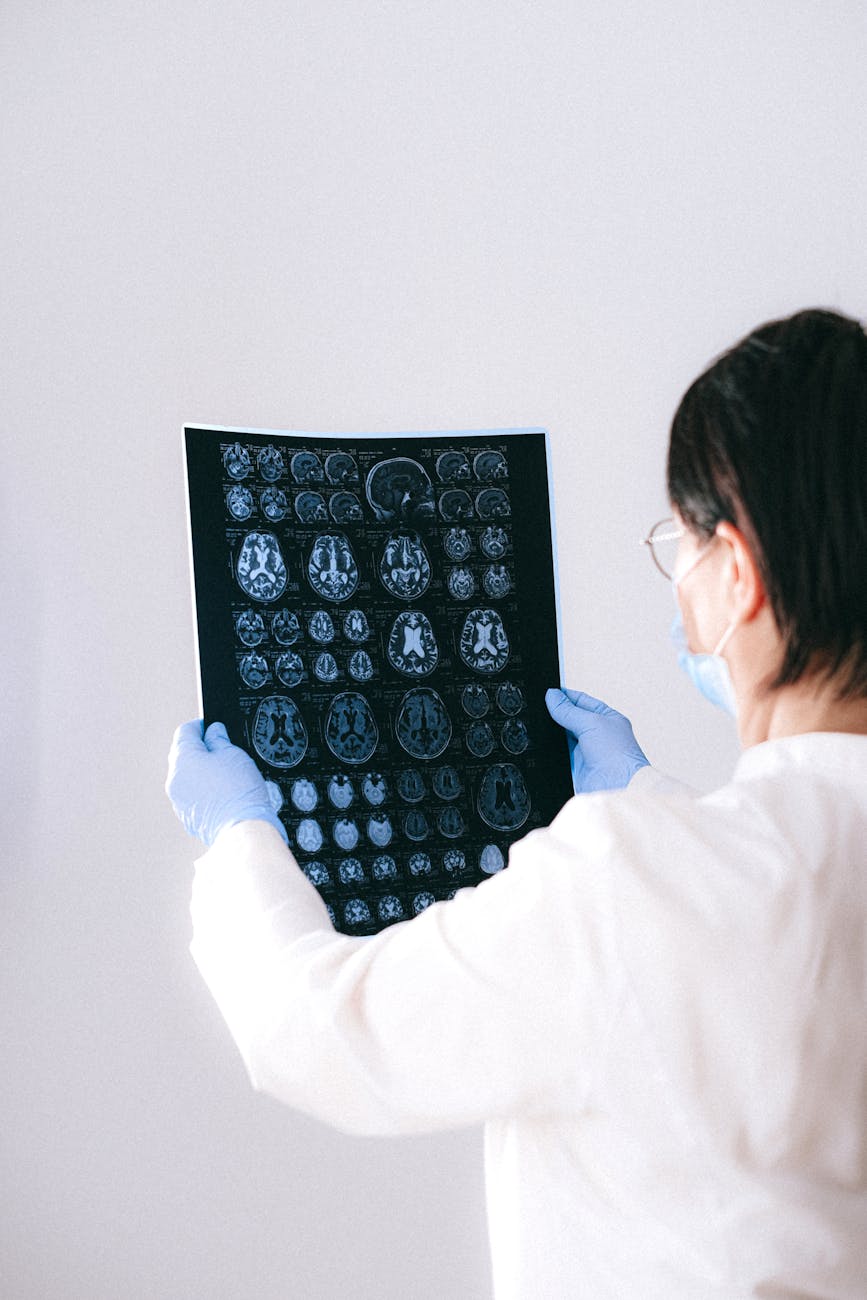
Advancements in neuroimaging have allowed us a glimpse into how the brain reacts to piano practice. Engaging with the piano regularly induces notable changes in brain structure and functionality, especially in areas responsible for planning movements and fostering connections between the brain’s two hemispheres.
A New Chord in Piano Teaching
Evidence from recent research stresses the importance of focusing more on left-hand practice within music education, particularly for right-hand-dominant individuals. Traditional teaching methods that prioritize developing each hand’s skills in isolation before merging them might not fully tap into the potential for neural and motor adaptations that boost hand coordination. Adopting a more integrated approach, especially through pieces that highlight the left hand, could promote a more balanced development of piano skills.
Strategies for Improved Hand Coordination:
- Spotlight on the Left Hand: Motivate students to delve into pieces where the left hand takes the melodic lead. This strategy not only challenges the right hand’s dominance but also cultivates dexterity and control in the left hand.
- Tempo as a Teaching Tool: Implement exercises that demand the left hand to keep a quicker pace than the right. This technique can refine the left hand’s agility and precision, fostering a more balanced interplay between the two hands.
- The Power of Focus: Apply teaching methods that draw students’ attention to the subtle movements and sensations of the left hand. This concentrated approach can enhance motor control and minimize the right hand’s overshadowing effect, culminating in a more refined performance.
By integrating scientific discoveries with the art of piano pedagogy, we pave new avenues for enriching both teaching and learning experiences. Grasping the mechanics of hand coordination and embedding evidence-based strategies into teaching practices empowers us to steer our students toward a more sophisticated, balanced, and expressive mastery of the piano.
Source: Pang J, Zhao S, Wang Y, Wang Q, Fang Q. Piano practice with emphasis on left hand for right handers: Developing pedagogical strategies based on motor control perspectives. Front Psychol. 2023 Feb 14;14:1124508. doi: 10.3389/fpsyg.2023.1124508. PMID: 36865359; PMCID: PMC9971940.


 The Scientific Pianist